From the blog
Converging Crises for Kids
Two ominous trends, and two ends of the illness severity spectrum, portend trouble for kids who need health care and the doctors who take care of them.The first one is that kids are healthier than they have ever been. Many kids used to die
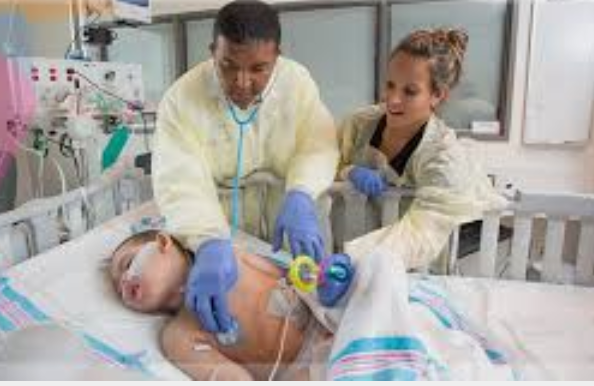
Two ominous trends, and two ends of the illness severity spectrum, portend trouble for kids who need health care and the doctors who take care of them.
The first one is that kids are healthier than they have ever been. Many kids used to die before their first birthday. Today, over 99% of kids survive. It may seem paradoxical that better health would be a problem. It is, though, because this outbreak of health has led many hospitals to close their in-patient pediatric units. The trend has been steady for decades. The pandemic made it worse because kids were masking and staying home so they weren’t getting as sick. Furthermore, hospitals needed those beds for the many adults with COVID who required hospitalization.
But now kids are back in school and spreading viruses again. This fall and winter, we may see concurrent outbreaks of RSV, influenza, and COVID. Many childhood diseases aren’t gone and this year they are coming back with a vengeance.
Children’s hospitals are overcrowded and understaffed. And the season is just beginning. It may be a rough year ahead and we may need to rethink how we allocate resources for inpatient pediatric care.
The other trend is that children with complex chronic conditions are requiring more hospitalizations and having longer stays than ever before. Pediatric intensive care units are becoming medical homes for these children, many of whom are dependent on medical technology for survival.
These children have been categorized as having a chronic critical illness. They sometimes need long hospital stays. There are very few facilities outside of PICUs to take care of them. When there aren’t outbreaks of acute respiratory illness, the resources are PICUs are adequate to provide care. But during outbreaks, PICUs are full and many patients who need a PICU bed cannot find one in their city or even in their state. As during the worst days of the pandemic, many patients may have their elective surgical procedures postponed. Some may suffer health consequences as a result.
What can be done? This year, the front-line workers will need all the support they can get, as they did for the last few years. Looking ahead, we need to rethink our child health care system in order to figure out how to deal with the new epidemiological landscape of childhood illness.
In a future post, I’ll discuss another million-dollar gene therapies as another emerging stress on the system.
Related writing.
Why the Dutch Keep Pediatric Euthanasia Illegal
Pediatric euthanasia in The Netherlands has a unique legal status - it is illegal, openly practiced, and well-regulated. The most surprising part isn't the law that enabled this — it's what happened after.
Associations of Physician Perspectives, Personal Choices, and Counseling for Severe Congenital Heart Defects.
OBJECTIVE: To assess whether physicians' perspectives of outcomes or personal choices are associated with prenatal counseling for termination of pregnancy (TOP) or perinatal hospice for severe congenital heart defects (CHDs). METHOD:…
Variation in the extent to which patient information leaflets describe potential benefits and harms of trial interventions: a commentary.
Clinical trial participants must understand the possible risks and benefits of trial interventions before providing their informed consent to participate. The aim of this commentary is twofold: to summarize the discrepancies in the extent…
Pediatric Gender Medicine—Reply
Third, emerging evidence suggests that modulating glycosylation pathways could offer a novel therapeutic strategy for asthma management.Xie et al 5 proposed that targeting glycan recognition receptors, such as sialic acid-binding…
About the author
John D. Lantos is a pediatrician and bioethicist writing on AI in medicine, neonatal intensive care, and end-of-life decisions. His essays appear in JAMA, JAMA Pediatrics, the Hastings Center Report, the New England Journal of Medicine, and Aeon. Read more about John.