From the blog
Florida’s Anti-Vax Policy
The Florida Department of Health recently recommended that COVID vaccine not be given to males between the ages of 18-39. They claimed that the vaccine was associated with increased mortality in this age group. Their analysis of vaccine ef
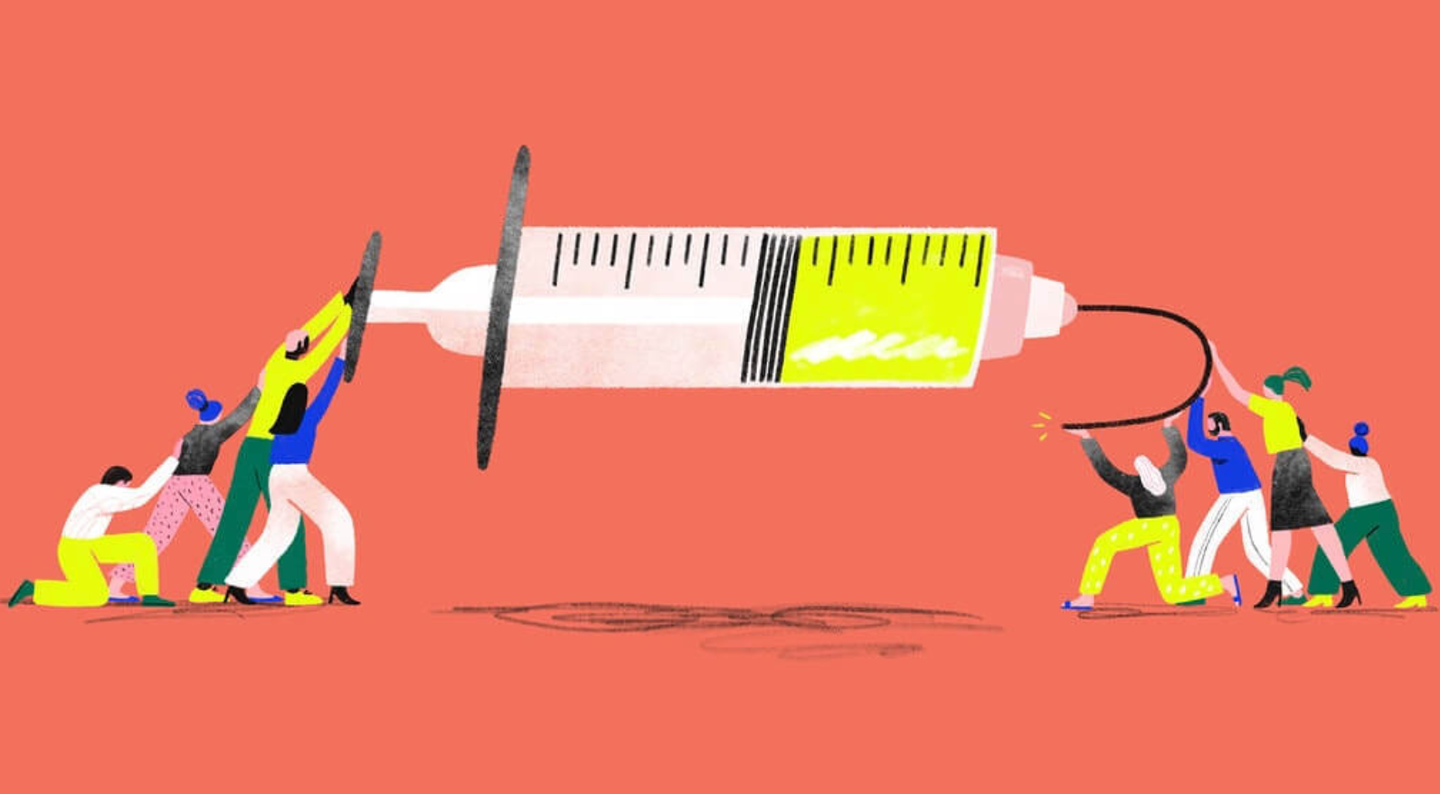
The Florida Department of Health recently recommended that COVID vaccine not be given to males between the ages of 18-39. They claimed that the vaccine was associated with increased mortality in this age group. Their analysis of vaccine effects had a number of flaws and limitations. But they are not the only jurisdiction in which concerns have arisen about the risks and benefits of boosters for young men.
Other scientists worry about cardiac complications that are associated mRNA vaccines. Jay Battacharya, an infectious disease expert at Stanford noted that, “while there may be a case for older people to take the vaccine because the benefits may outweigh expected harm, that may not be the case for younger people.” In Denmark, the Danish Health Authority decided not to offer boosters to people under 50 years of age since they are not considered to be at a high risk of severe illness and also because a high level of immunity in the population is already present due to vaccination and previous infection. Of note, the US CDC continues to recommend booster doses of vaccine for people of all ages.
Worries about vaccine side effects are one of many reasons why people don’t get immunized.
It has always been so. People in 18th century Boston thought smallpox vaccine would turn people into cows. It didn’t. Many people today think measles vaccine causes autism. It doesn’t. Because of these mistaken beliefs about risks, concern about vaccine risks is polarizing. To question one vaccine seems to invite questions about them all.
But there are valid concerns about COVID-19 vaccine. It can clearly cause cardiac disease. The highest rate of vaccine-induced cardiac disease occurs in young men. Young men are unlikely to have serious illness or death from COVID disease, especially if they’ve already had the disease or received vaccines in the first round. In Florida, in the whole year of 2020, only 2 people in this age group have died of COVID.
So the calculation of whether booster shots are a net benefit to young men is complicated. Reasonable people can reasonably disagree. And they should. Of note, Florida’s policy doesn’t prohibit immunization of men in this age group, it just recommends against it. But just as people are free to ignore recommendations for the vaccine, they can ignore the state recommendations against it.
Policies about vaccines, masking, and isolation in different jurisdictions create natural experiments. We will someday be able to determine which policies worked best. It will be harder to determine the risks of each policy. For now, though, Florida’s policy, while unusual, does not seem outlandish.
Related writing.
Why the Dutch Keep Pediatric Euthanasia Illegal
Pediatric euthanasia in The Netherlands has a unique legal status - it is illegal, openly practiced, and well-regulated. The most surprising part isn't the law that enabled this — it's what happened after.
The Lost Aura of the Doctor in the Age of AI
	Artificial intelligence can now make difficult diagnoses, detect drug interactions, read medical images, predict outcomes, counsel patients — and even write peer reviews. As these capabilities expand, doctors risk becoming supervisors
The Tiniest Patients: Rethinking How We Decide
	When a baby is born at 22 or 23 weeks of pregnancy — half the normal gestational period — doctors and parents face one of the most agonizing decisions in all of medicine. Should they fight to keep the baby alive, knowing survival is u
Emilia Perez: New Life or New Gender?
The award-winning film Emilia Perez addresses a central question in gender medicine. When a patient wants to transition, is it because they want to change their gender or because they want to change their life? If the later, a gender trans
About the author
John D. Lantos is a pediatrician and bioethicist writing on AI in medicine, neonatal intensive care, and end-of-life decisions. His essays appear in JAMA, JAMA Pediatrics, the Hastings Center Report, the New England Journal of Medicine, and Aeon. Read more about John.