From the blog
CPR still better on TV
Nearly 30 years ago, we showed that CPR worked much better on TV than in real life. This was true both on the shows that focused on medicine as well as in dramas like E.T. and Star Trek that include medical subplots. On TV, most people su
Updated: Jun 25, 2022
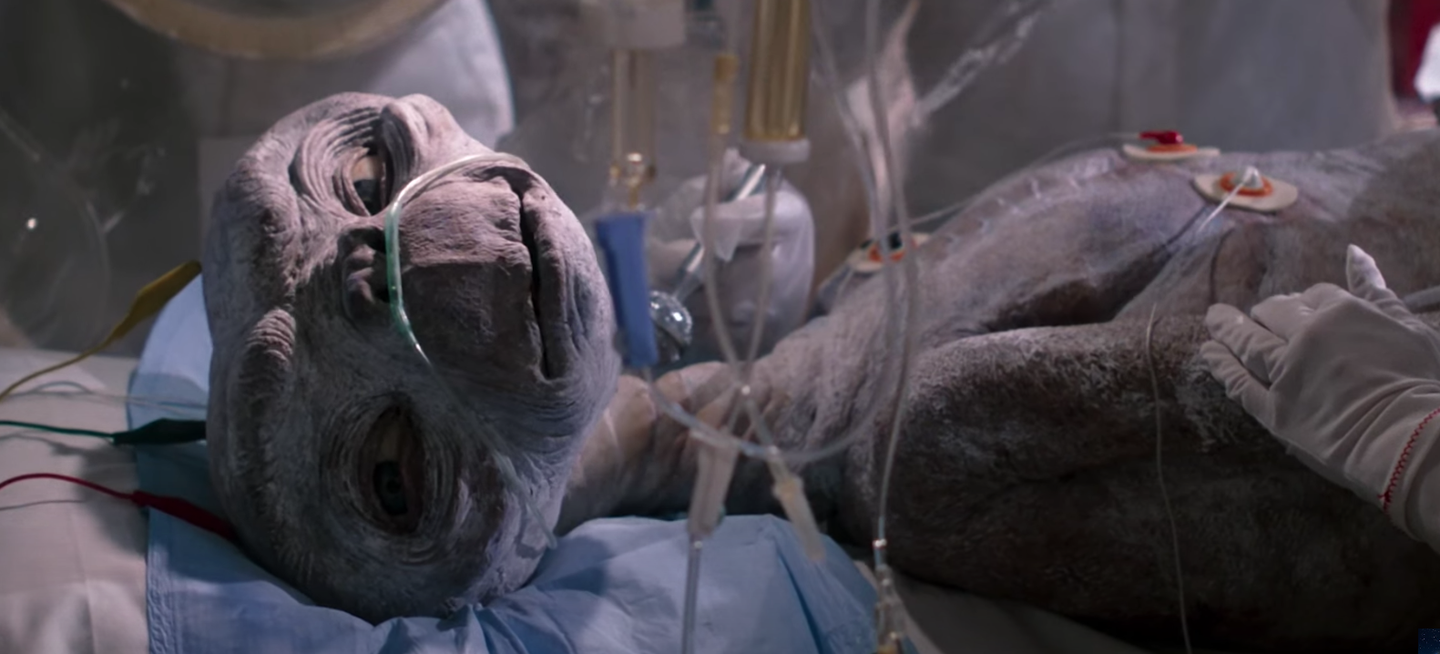
Nearly 30 years ago, we showed that CPR worked much better on TV than in real life. This was true both on the shows that focused on medicine as well as in dramas like E.T. and Star Trek that include medical subplots. On TV, most people survive CPR. Most survivors are neurologically intact. We suggested that this misinformation could distort the way people think about real-world medical decisions. It would encourage them to believe in miracles The paper launched a curious little academic field that has carefully monitored trends in the portrayal of CPR on television. More recent studies show that CPR outcomes are better than real-life on House, Grey’s Anatomy, Chicago Med, and Code Black. They are worse on European shows than on American ones.
Who cares? TV dramas aren’t expected to be accurate portrayals of reality. They certainly should not be educational. As highly acclaimed Hollywood producer and director Robert King noted, “If a show tries to teach me something, all it teaches me is to change the channel.” We watch television to escape reality, not to have our noses rubbed in it. A producer of ER acknowledged that “these television programs do not accurately reflect the use of CPR in the United States.”
But television shows often claim to accurately portray medical realities. Many of the most popular, including ER, House MD, and Grey’s Anatomy proudly tell the world that doctors review scripts for medical accuracy. A show’s pizazz depends upon the promise that they are lifting the curtain, taking viewers behind the scenes, and showing how medicine really works and to learn what doctors really think and feel.
Is this a problem for bioethics? Absolutely. But the solution is not to ask or expect television to change. Instead, it is to recognize that these scripts speak to people's deepest longings and most powerful feelings. We only want so much reality. Cardiac arrest in medical dramas is like the killer in horror movies. We know it is there, lurking in the shadows. We know it is deadly. We want to be frightened and sad. But then we want relief and triumph. The most memorable CPR scenes, like the resuscitation of E.T. or Worf the Klingon tease us with the possibility of failure then reassure us that there are mysteries that even the best doctors don't understand and that love is stronger than death. Doctors need to acknowledge those longings, not as true but as a jumping off point. Instead of trying to reform TV, we should learn from it
Related writing.
Why the Dutch Keep Pediatric Euthanasia Illegal
Pediatric euthanasia in The Netherlands has a unique legal status - it is illegal, openly practiced, and well-regulated. The most surprising part isn't the law that enabled this — it's what happened after.
The Lost Aura of the Doctor in the Age of AI
	Artificial intelligence can now make difficult diagnoses, detect drug interactions, read medical images, predict outcomes, counsel patients — and even write peer reviews. As these capabilities expand, doctors risk becoming supervisors
The Tiniest Patients: Rethinking How We Decide
	When a baby is born at 22 or 23 weeks of pregnancy — half the normal gestational period — doctors and parents face one of the most agonizing decisions in all of medicine. Should they fight to keep the baby alive, knowing survival is u
Emilia Perez: New Life or New Gender?
The award-winning film Emilia Perez addresses a central question in gender medicine. When a patient wants to transition, is it because they want to change their gender or because they want to change their life? If the later, a gender trans
About the author
John D. Lantos is a pediatrician and bioethicist writing on AI in medicine, neonatal intensive care, and end-of-life decisions. His essays appear in JAMA, JAMA Pediatrics, the Hastings Center Report, the New England Journal of Medicine, and Aeon. Read more about John.